Make Small Retail Effortless with No‑Code Automation
Today we dive into no‑code tools that simplify everyday operations for independent shops, boutiques, and neighborhood stores. From stock counts to shift scheduling and marketing, you will see practical automations you can set up in an afternoon, without engineers, to save hours weekly. We include real examples, links you can replicate, and simple checklists. Join the conversation in the comments and share which routine slows you down most.
Inventory Clarity Without Custom Software
Keep counts accurate across shelves, back rooms, and incoming shipments by letting forms and spreadsheets do the heavy lifting. Pair mobile scanners with a lightweight database so quantities update instantly, shrink is flagged early, and reorders happen before customers encounter empty hooks.
Real‑time Stock Sync Using Sheets or Airtable
Start with a simple table for SKUs, barcodes, and locations. Each scan submits a form that updates on-hand quantities, timestamps the change, and logs the user. Use Zapier or Make to reconcile purchase orders nightly and post exceptions when counts drift beyond tolerance.
Barcode Scanning from Any Phone
Use a low-cost app builder like Glide or Softr to turn your sheet into a mobile scanner that works offline, caches batches, and pushes when connected. Staff can add notes, photos, and condition flags, giving richer context for returns, damage, or supplier claims.
Point‑of‑Sale Data That Works for You
Schedule a nightly job to pull gross sales, discounts, refunds, and payment types into a tidy row. The system emails managers a human-friendly digest with trends versus last week, flags unusual voids, and links to transaction detail only when something needs attention.
Generate smart receipts that include targeted offers, review prompts, and product care tips tailored by cart contents. With a no-code rule engine, you can thank first-time buyers differently from regulars and invite both groups to join points programs without pushy upselling.
Sync purchase history from the POS with email interactions and support conversations. A lightweight CRM built on Airtable gives staff instant context at the counter, enabling thoughtful recommendations, faster returns, and personalized service that keeps people coming back after payday.
Happier Shifts and Faster Onboarding
Replace messy spreadsheets and group chats with a simple scheduling board that respects availability, labor budgets, and fairness. New hires get step-by-step training checklists, while veterans handle swaps through approvals, keeping supervisors in the loop without endless messages or confusion.
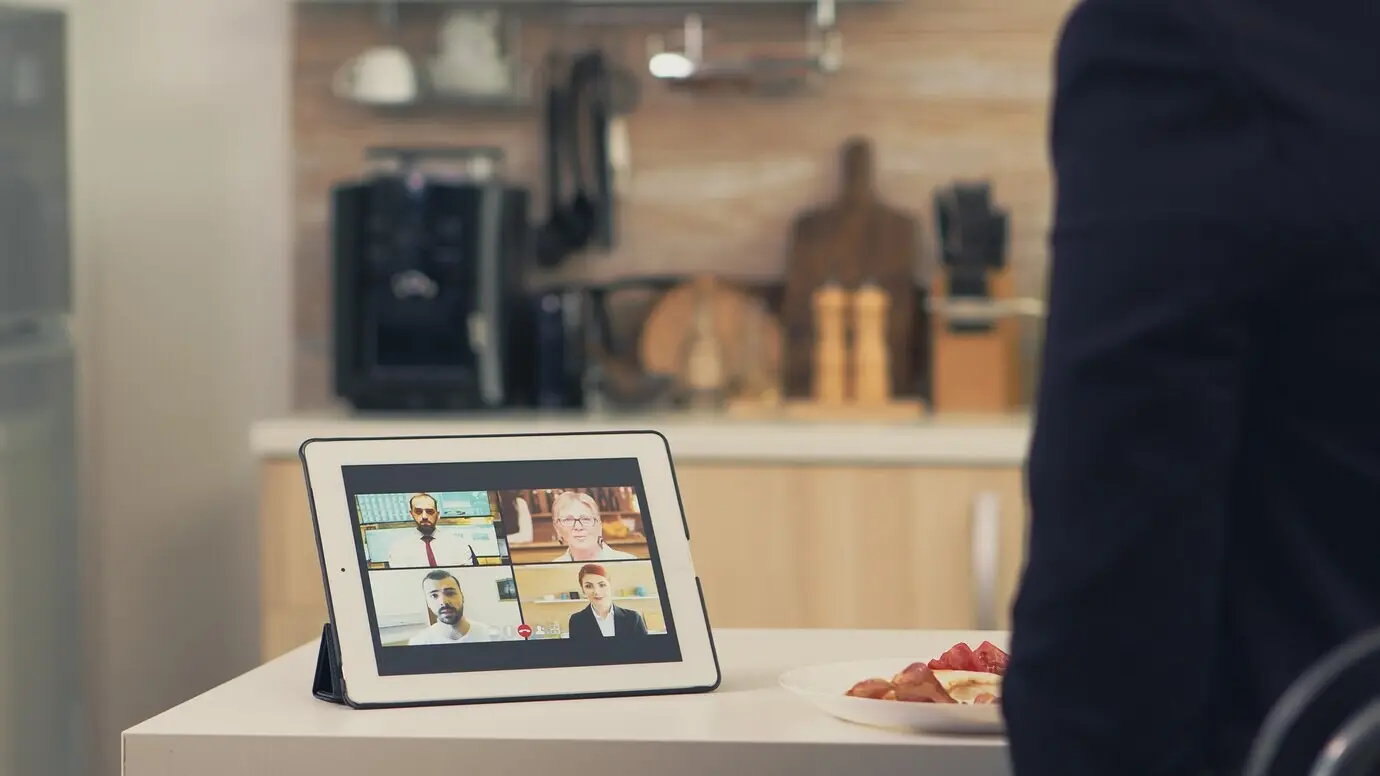
A Visual Shift Board Everyone Understands
Use a Kanban-style calendar with drag-and-drop cards for roles, breaks, and coverage notes. Staff can propose swaps, accept open shifts, and acknowledge changes. Automations confirm hours, prevent overtime risks, and post updates to Slack so everyone stays aligned without separate reminders.
Onboarding That Actually Sticks
Create checklists with videos, policies, and short quizzes inside a simple portal. When a step is completed, managers see progress and the next shift receives tailored tips. New staff learn registers, merchandising standards, and service scripts without constant shadowing or repeated explanations.
Time‑Off Requests and Approvals
Replace chaotic texts with a form that enforces notice periods and captures reasons automatically. Rules route requests to the right supervisor, consider labor limits, and notify staff when approved. The record helps with fairness, audits, and seasonal planning when calendars get crowded.

Customer Growth with Simple, Repeatable Marketing
Build a steady rhythm of emails, SMS, and giveaways without juggling five tools. Capture consent at checkout, personalize messages by category preferences, and schedule campaigns from a single calendar. Measure results automatically so you invest in what actually brings people back.
Use a small tablet form with clear value: receipts by email, sizing tips, or birthday perks. Sync instantly to your CRM and tag by interests chosen in a few taps. Automations welcome newcomers warmly and space messages respectfully to avoid fatigue or unsubscribes.
After purchase, send a gentle SMS requesting feedback with a direct link. Positive reviews route to public platforms; critical ones create a follow-up task. A monthly dashboard shows patterns, surfacing training opportunities and product fixes that improve satisfaction and repeat visits.
Smooth Purchasing and Vendor Collaboration
Never scramble through inboxes again. Centralize supplier catalogs, prices, and lead times, then generate clean purchase orders with automatic totals and delivery windows. Vendors get clear expectations, you get confirmed acknowledgments, and your shelves stay stocked with less stress and guessing.

A One‑Page KPI View for Store Leads
Build a simple page showing sales versus goal, units per transaction, conversion rate, labor percent, and top out-of-stocks. Include quick explanations beside each metric and highlight actionable next steps, turning raw numbers into helpful guidance for today’s floor decisions and priorities.

Cohorts and Repeat Behavior
Group customers by first purchase month and watch how often they return. A basic cohort chart reveals the impact of loyalty efforts, merchandising changes, or staffing improvements. When retention dips, alerts prompt a quick response with targeted offers or thoughtful service fixes.

Daily Digest for the Owner
Each morning, send a concise email with yesterday’s sales, margins, labor hours, cash reconciliations, and urgent anomalies. Include suggestions like adjusting staffing or reordering a runaway item. The routine report builds calm habits and keeps strategic focus during busy seasons.
All Rights Reserved.